

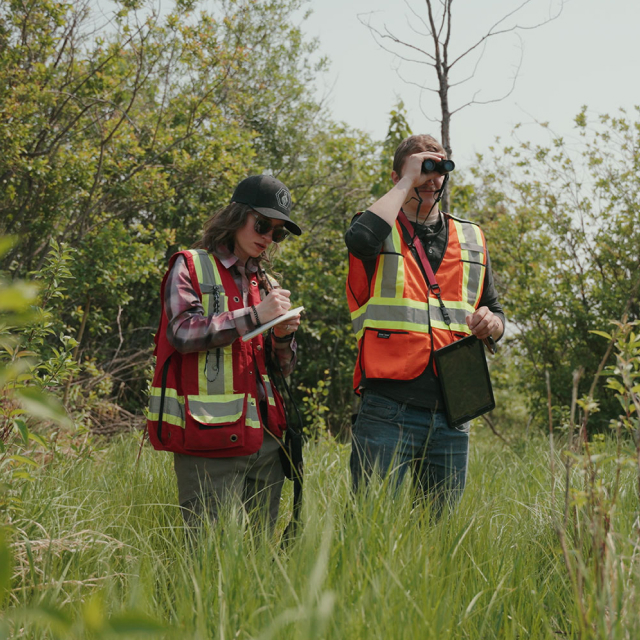
ESTI Nest Sweep Protocol
-
 Co-developed by Jennifer Gosse
 -
 Co-developed by Nadine Clifton
- Duration: 10 hours
- Quizzes: 4
- Lectures: 4
- Level: Advanced
- Video: 1 hour
Start My Course

Description
Get field-ready and make an immediate impact on your next project.
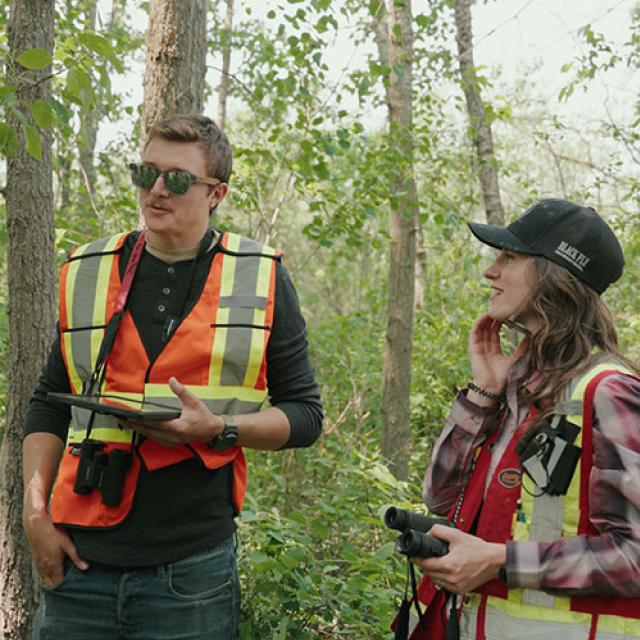
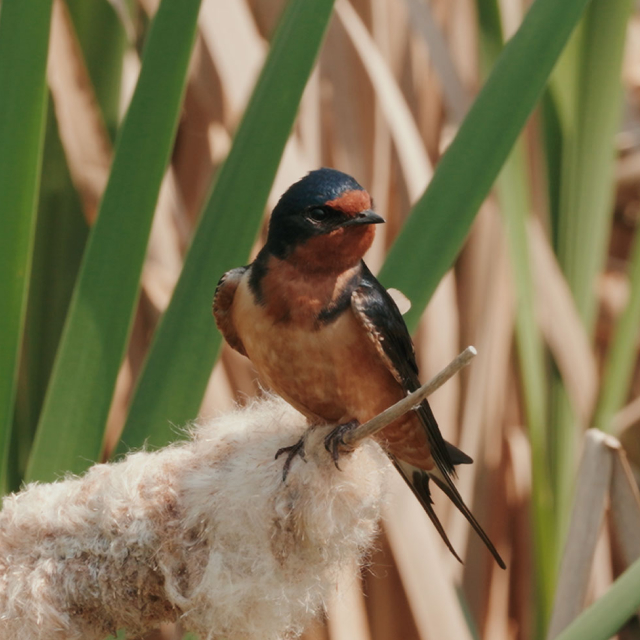
The ESTI Nest Sweep Protocol course offers practical training on how to detect and manage migratory bird nests for environmental professionals, wildlife conservationists, and outdoor enthusiasts.
Are you fresh out of school with little to no field experience, or looking to build on the skills you already have? Or are you passionate about protecting birds, but don’t know how? The ESTI Nest Sweep Course goes beyond bird identification and provides learners with a full scope of practical training tailored to a broad range of species and habitats.
The ESTI Nest Sweep Course counts towards Continuing Professional Development (CPD) hours for Professional Biologists in Alberta and British Columbia. After taking the course, you’ll be able to:
- Prepare, complete, and report on a nest sweep to detect nests protected under the Migratory Birds Convention Act.
- Identify nesting zones and calendars, the best equipment to bring, and what to do when you find a nest.
- Work efficiently and effectively in the field through tested approaches developed by seasoned wildlife biologists with decades of experience
- Support the industry in taking meaningful precautions to protect migratory bird nests and fulfill its legal obligations when carrying out habitat-altering activity.
- Claim CPD points as part of their professional requirement.
Curriculum Snapshot
The ESTI Nest Sweep course is a self-paced module developed by seasoned professional biologists with decades of field experience.
Explore topics critical to protecting and advocating for migratory birds, including:
- Understanding Key Legislation
- Disturbance Types
- Nesting Zones
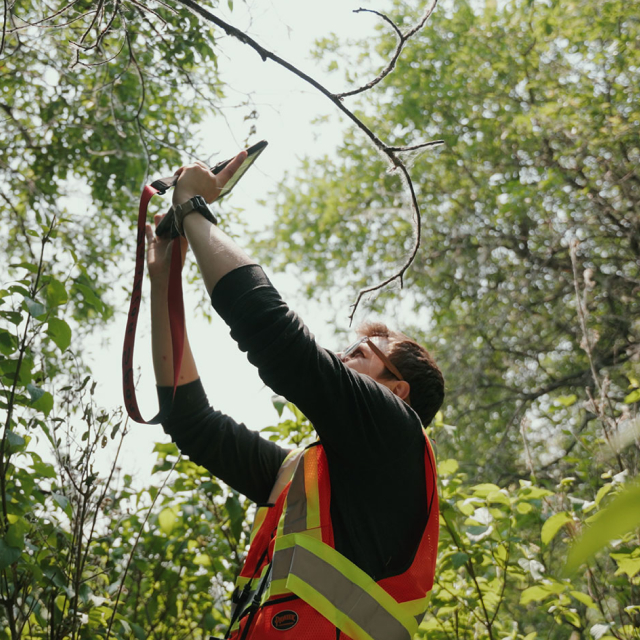
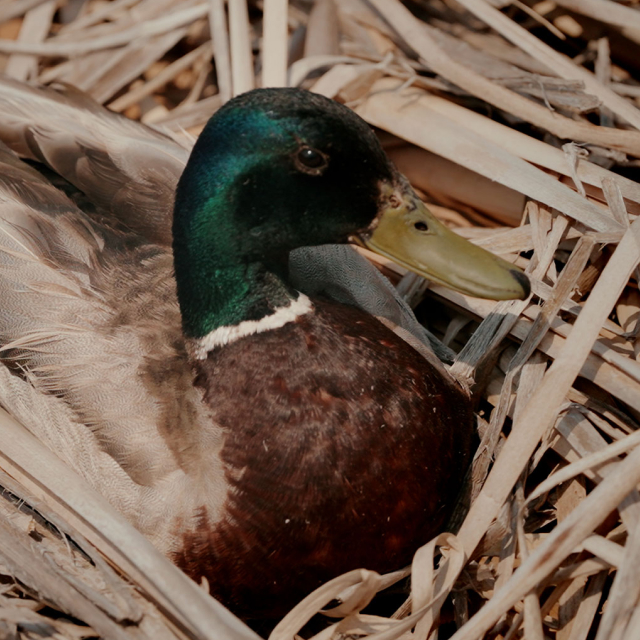
- Detecting Nests and Nesting Behaviour
- And more…
Course Details
Duration: 10 Hours
Lectures: 4
Video: 1 hour
Quizzes: 4
Level: Advanced
Testimonials
Instructor Profile

Jennifer Gosse
Black Fly Environmental Director, Environmental Specialist
With over 14 years experience as an environmental consultant in Western Canada, Jennifer is well-versed in the effective development, application and execution of environmental mitigation strategies to achieve environmental performance and maintain regulatory compliance.

Nadine Clifton
Black Fly Environmental Director, Environmental Specialist
Born and raised in the foothills of Alberta, Nadine developed an appreciation for the outdoors from a young age. Being raised on a farm in the resource based community of Yellowhead County taught her the importance of land stewardship and sustainable natural resource development.
Thoughts From The Field
My background in wetland and vegetation ecology led me to the field of nest sweep when I began working as an environmental advisor for a power transmission company. I was responsible for overseeing field contractors and eventually conducting the nest sweeps myself. I gained valuable experience learning nest sweep techniques from numerous professionals over the years.
Through this experience with the powerline company, I learned that birds are remarkably ingenious and don’t just nest in natural environments. Killdeer love to nest on insulator gravel in electrical substations, and raptors will nest on enormous powerline structures next to electrified equipment. I once babysat a young family of very ugly baby turkey vultures that had a big comfy nest in the attic of an old, abandoned farmhouse. They were stringing power lines next to the house, and my job was to watch the family and make sure they weren’t being disturbed.
Since then, my environmental consulting group, Black Fly Environmental, has conducted thousands of hours of nest sweeping in Alberta and BC, with the largest being the Coastal Gas Link project. This project involved organizing nest sweeper field crews across the province, typically ahead of tree clearing ops for over 4 years. We also practiced communicating nest protection measures and monitoring to contractors so that construction could eventually proceed once the young had fledged.
All of these field experiences and observations are foundational to the Nest Sweep course. This isn’t theory; it’s a real-life application of skills you can take with you right into the field.
– Jennifer Gosse RPBio, P. Biol.
FAQ
Canada
No. The nest sweep regulations pertinent to the course apply across Canada.
Environmental practitioners, biologists-in-training, environmental professionals, Indigenous community members, aspiring naturalists, and the public at large. There’s something in it for everyone!
No. Our courses are designed to be accessible to everyone, but have enough technical content to enable you to execute an ecologically correct skill set that complies with applicable regulations and guidelines.
Not at this time. It will, however, prepare you for immediate work in the field.
CAD$499+GST
You’ll receive a certificate of completion, indicating that you have passed the course and identifying the core skills that you have learned.
A printable digital copy is included in the course tuition. You can order a printed copy for $15.
A printable digital copy is included in the course tuition. You can order a printed copy for $15.
No.
Subject matter experts have developed the course, and will be delivering and monitoring it.
Yes, but the regulatory considerations and species references featured in the course are distinctly Canadian. However, birds don’t know boundaries and bird behaviour is universal, so much of the content is applicable anywhere.
Right now!
Not currently, but stay tuned.
Yes, the materials used for the course have been created to the WCAG (Web Content Accessibility Guidelines) 2.2 AA compliance level.
Among other things, the course integrates the following accessibility features:
– All video content has audible voice over and captions.
– The workbook PDF was created with accessibility in mind to ensure it correctly functions with assistive technology such as screen readers.
– Materials make a clear differentiation between hyperlinks and body text, fonts have been tested for legibility and set to an appropriate minimum size, and colour pairings meet WCAG contrast ratios.
– A focus outline is in place for tabbing navigation.
– Text is written in clear, plain language, as much as possible (e.g. outside of industry-specific terminology).